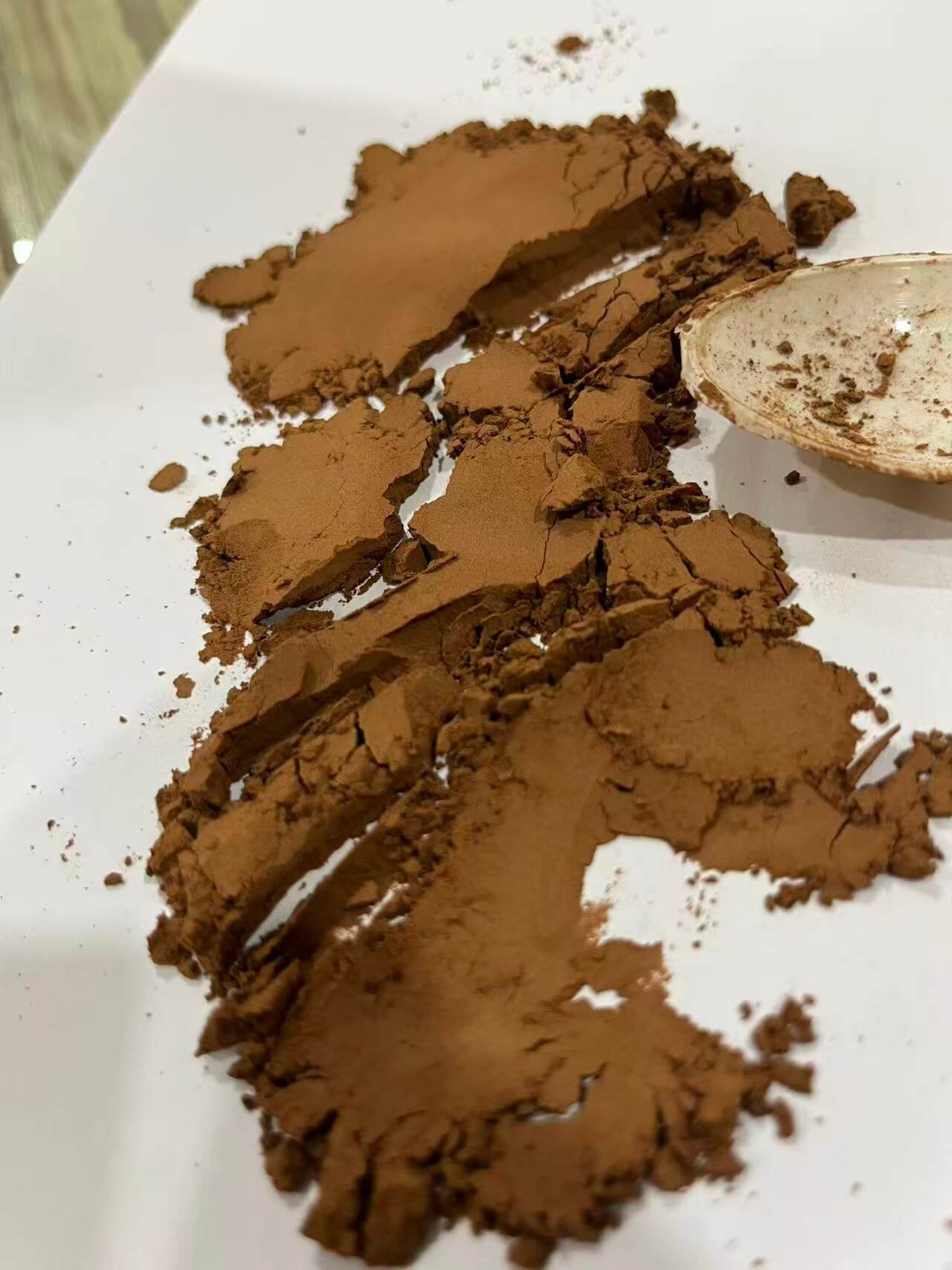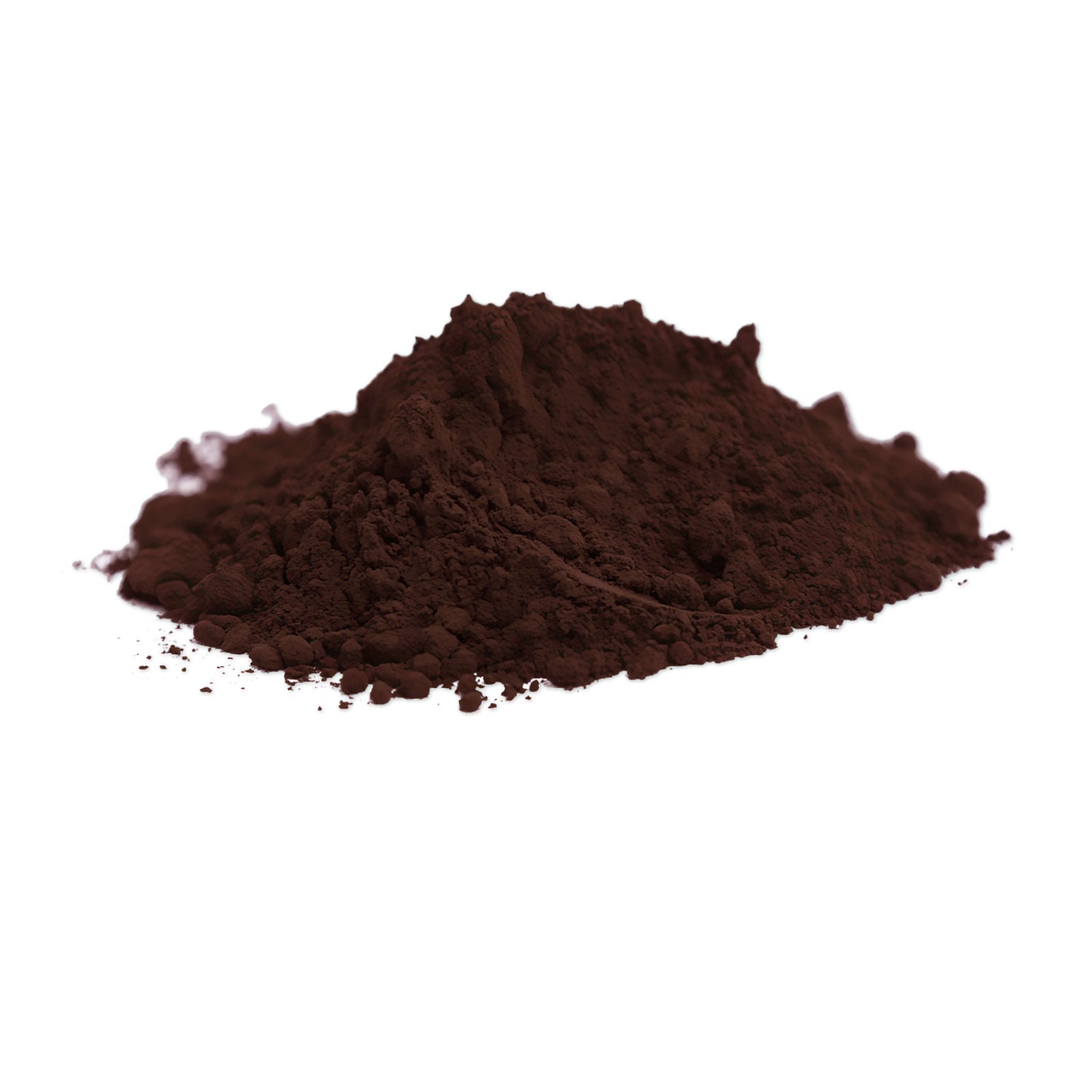
For food manufacturers, the choice between natural cocoa powder and alkalized cocoa powder affects more than flavor. It can change color, pH, leavening performance, drink suspension, bitterness, and how stable the final product looks across production batches.
The best choice depends on your application. A brownie mix, instant chocolate drink, ice cream, dark cookie, and nutrition powder may all need different cocoa powder grades.
Quick Comparison
| Factor | Natural Cocoa Powder | Alkalized Cocoa Powder |
|---|---|---|
| Typical pH | 5.2-5.8 | 6.2-8.5+, depending on grade |
| Color | Light to medium brown | Brown, dark brown, reddish brown, or black |
| Flavor | Brighter, more acidic, more bitter | Smoother, darker, less sharp |
| Best fit | Bakery with baking soda, health-positioned products | Beverages, dairy, dark bakery, cookies, confectionery |
When to Choose Natural Cocoa Powder
Natural cocoa powder is not alkalized. It keeps the cocoa's natural acidity and lighter brown color. It is often selected when the formula needs a sharper cocoa note or when the recipe uses baking soda as a leavening agent.
Good applications
- Brownies and cakes where baking soda is part of the formula
- Chocolate bakery mixes where a lighter color is acceptable
- Health-positioned cocoa drinks where natural processing is part of the claim
- Products that need a brighter cocoa flavor instead of a mellow Dutch-process note
When to Choose Alkalized Cocoa Powder
Alkalized cocoa powder, also called Dutch-process cocoa powder, is treated to reduce acidity. This creates a smoother flavor and gives manufacturers more control over color, from standard brown to dark brown, reddish brown, or black.
Good applications
- Instant cocoa drinks and chocolate milk powders
- Ice cream, dairy desserts, and puddings
- Dark cookies, sandwich biscuits, and black cocoa applications
- Confectionery coatings and fillings where color consistency matters
- Bakery products using baking powder rather than baking soda as the main leavening system
Application-Based Buying Notes
Bakery
Check leavening chemistry first. If your formula depends on baking soda, natural cocoa may perform better. If your priority is darker color and smoother flavor, alkalized cocoa can be the better choice, but the leavening system may need adjustment.
Beverage
Most beverage manufacturers prefer alkalized cocoa powder because it has smoother flavor and better visual performance in liquid applications. Fat content and fineness also matter for mouthfeel and suspension.
Biscuits and Cookies
For dark cookies or sandwich biscuits, black cocoa powder or highly alkalized dark cocoa powder is usually selected for color. The formula may need balancing because very dark cocoa can taste less fruity and more roasted.
What to Send When Requesting a Recommendation
To get a useful recommendation from a supplier, send these details:
- Product type and target market
- Current cocoa powder specification, if available
- Target pH, color, fat content, and fineness
- Estimated monthly or first-order quantity
- Application: bakery, beverage, dairy, biscuit, confectionery, or other
Need help choosing a grade?
NK Cocoa can recommend natural, alkalized brown, dark brown, reddish brown, or black cocoa powder based on your application. Product specifications and COA are available on request after inquiry.
Request product recommendation and spec sheet