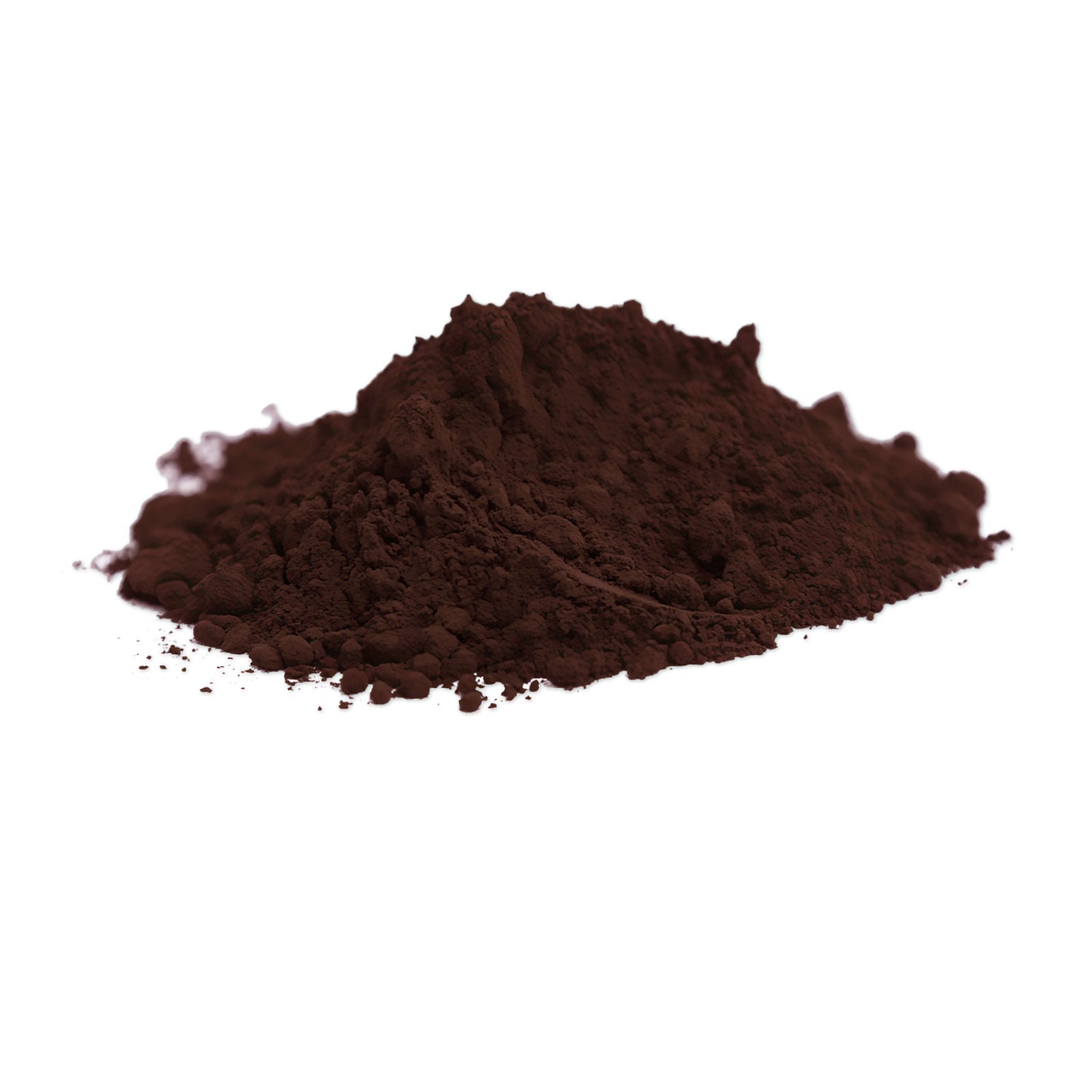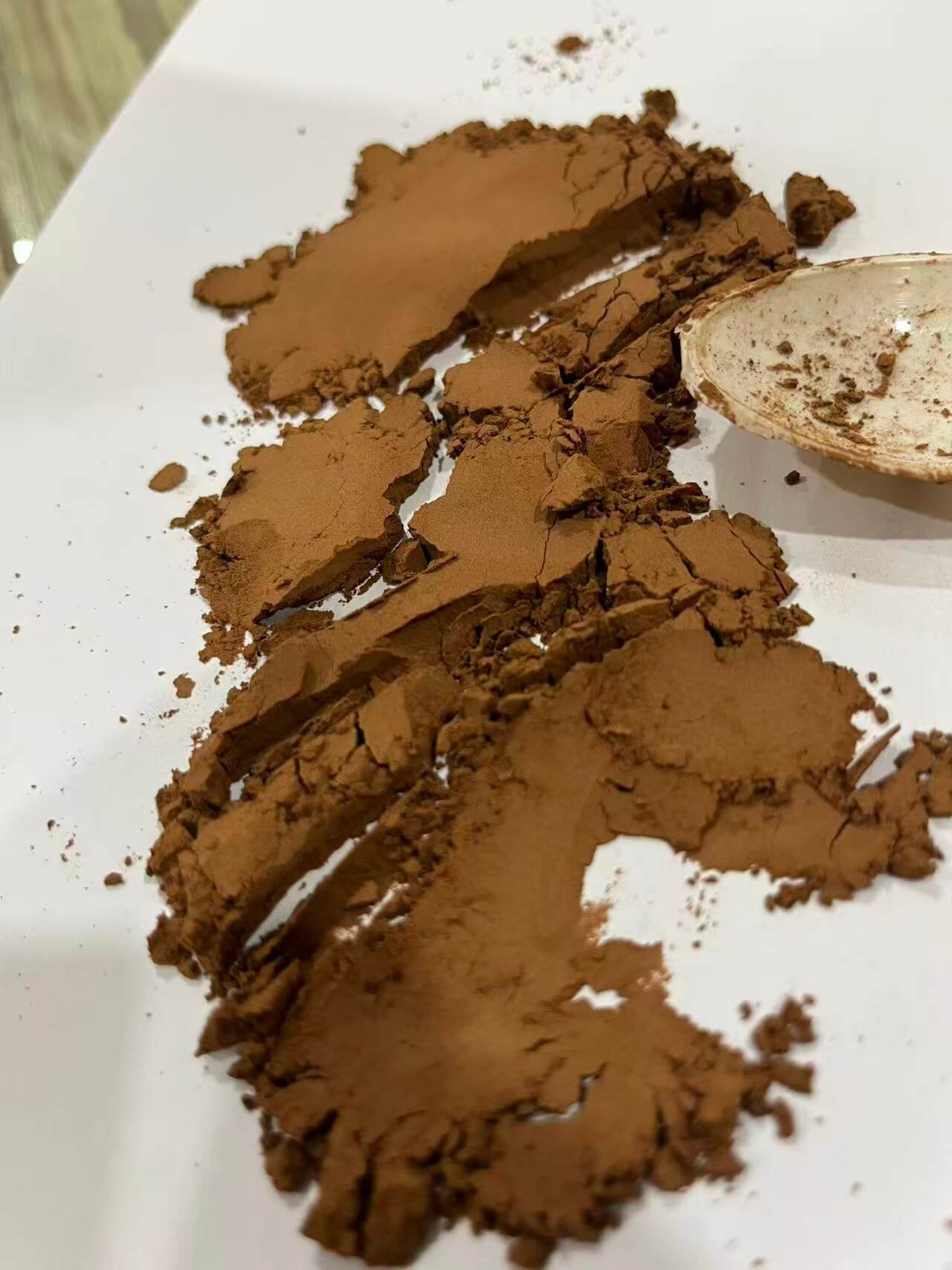
A cocoa powder specification sheet should help your procurement, QA, and production teams make the same decision. If the sheet only says "premium cocoa powder" or "high quality cocoa", it is not enough for industrial buying.
For B2B buyers, the most important cocoa powder specification items are usually pH, fat content, fineness, moisture, color, microbiology, packaging, shelf life, and documentation. This guide explains what each item means and why it matters in production.
1. pH: Natural, Alkalized, and Color Control
pH is one of the fastest ways to identify whether cocoa powder is natural or alkalized. Natural cocoa powder is acidic, while alkalized cocoa powder is closer to neutral or alkaline.
- Natural cocoa powder: commonly around pH 5.2-5.8
- Light alkalized cocoa powder: commonly around pH 6.2-6.8
- Dark alkalized cocoa powder: commonly around pH 7.2-7.8
- Black cocoa powder: can be around pH 7.6-8.5+, depending on grade
pH affects flavor, color, and leavening performance. Bakery manufacturers should check pH together with the formula's baking soda or baking powder system.
2. Fat Content: Mouthfeel, Flavor, and Cost
Cocoa powder fat content influences richness, mouthfeel, flavor release, and price. A higher fat cocoa powder usually gives a fuller taste and better mouthfeel, while lower fat cocoa powder can be more cost-efficient for some dry mixes and bakery applications.
| Fat Content | Typical Use | Buying Note |
|---|---|---|
| 4-8% | Cost-sensitive bakery, dry mixes | Check flavor intensity and mouthfeel |
| 10-12% | Standard bakery, beverage, confectionery | Common industrial balance |
| 20-22% | Premium drinks, ice cream, rich bakery | Richer mouthfeel, higher cost |
3. Fineness: Texture and Mixing Performance
Fineness describes how fine the cocoa powder is after milling. It can affect texture, dispersion, mouthfeel, and appearance in the finished product.
A common industrial reference is 99% through 200 mesh, but the right requirement depends on the application. Beverage and dairy applications may need more attention to particle size and mixing performance than some baked goods.
4. Moisture: Shelf Life and Flowability
Moisture is important for storage stability. High moisture can increase caking risk and reduce shelf life. Many cocoa powder specifications set moisture at 5% max, though exact values depend on supplier grade and destination requirements.
5. Color: Do Not Buy by Product Name Alone
Names such as brown, dark brown, reddish brown, and black are useful, but industrial buyers should still request a sample and compare it in the real formula. Color can shift after baking, mixing with dairy, or combining with sugar, fats, and emulsifiers.
6. Microbiology and Heavy Metals
For food manufacturing, the COA should include microbiology values relevant to your market and application. Buyers may also request heavy metal information, especially for EU or other regulated markets. Requirements should be confirmed against the buyer's local rules and final product category.
7. Documents to Request
For qualified B2B inquiries, ask for the documents that match your procurement stage:
- Product specification sheet
- COA for production batch or representative sample
- Food safety and Halal certificate copies, where applicable
- Allergen statement
- Certificate of origin for shipment
- Packaging and shelf-life information
Specification Checklist for Your RFQ
When requesting a quote, include this minimum information:
- Product grade: natural, alkalized brown, dark brown, reddish brown, or black cocoa powder
- Target pH range
- Target fat content
- Fineness requirement
- Destination country
- Estimated quantity and repeat order plan
- Application and target finished product
Need a Cocoa Powder Specification?
Tell us the application and target grade. NK Cocoa can provide product specifications and COA on request for qualified B2B buyers.
Request Spec Sheet