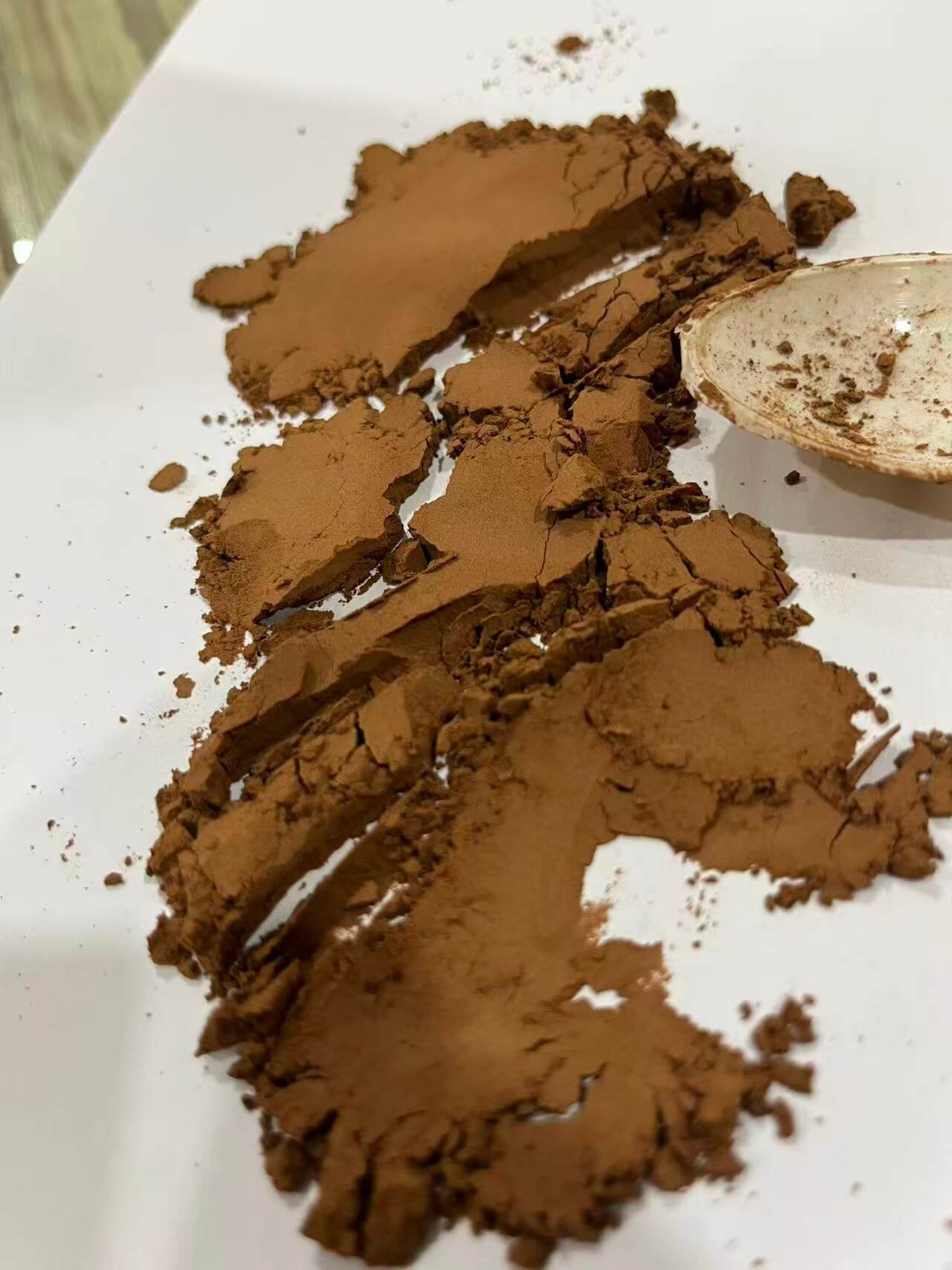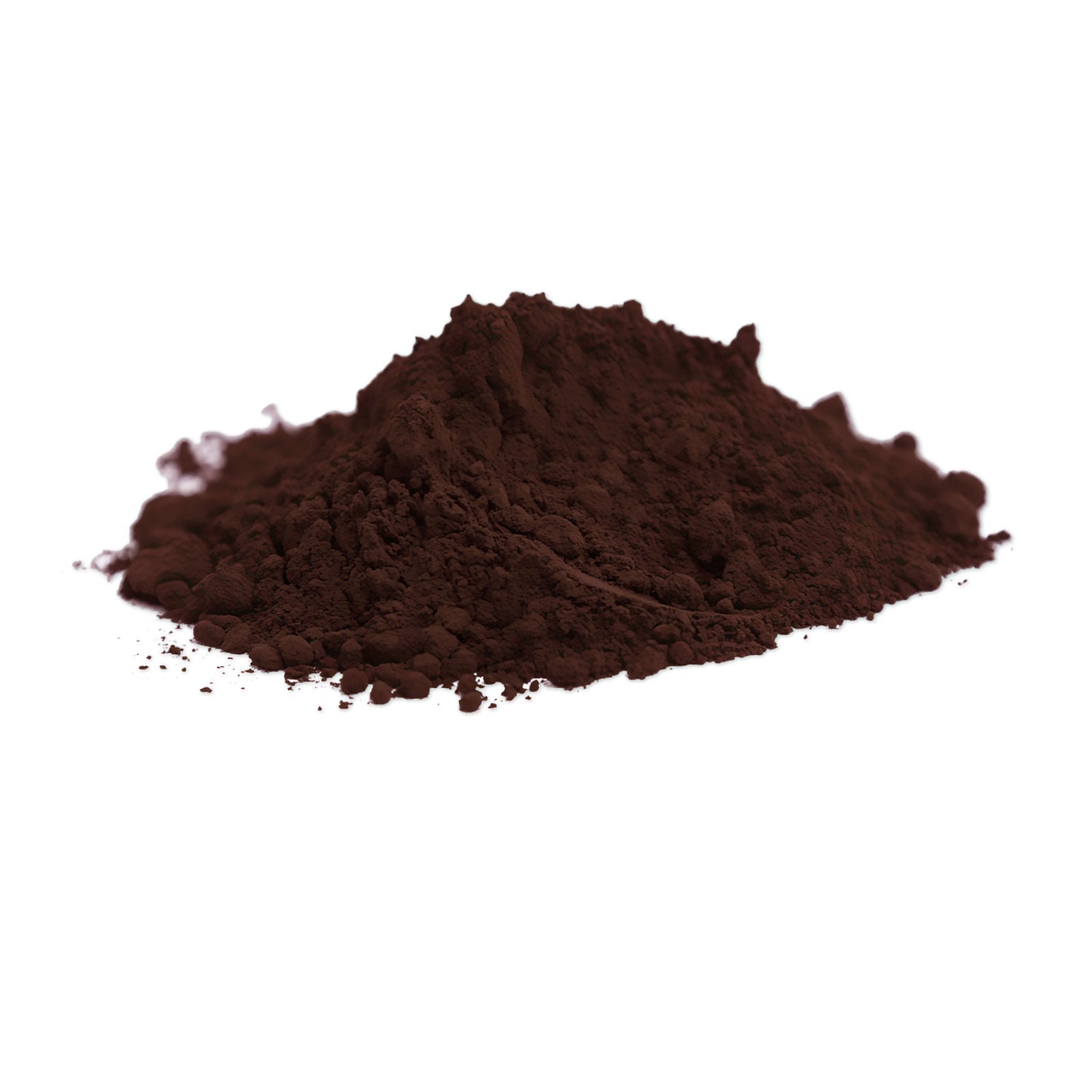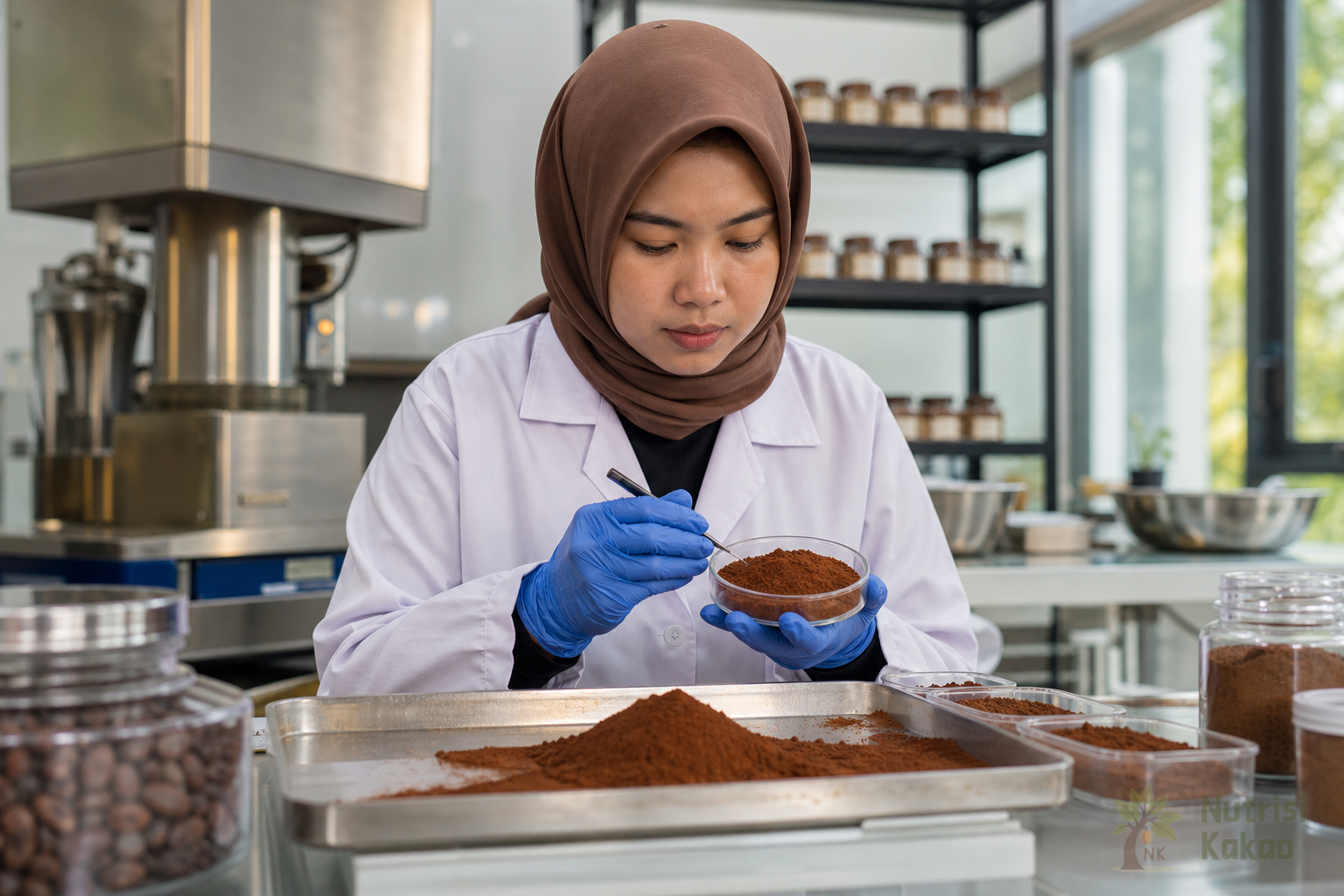
If you buy cocoa powder in bulk, 2026 is not a normal year. Price swings, stricter compliance checks, and longer contract lead times are forcing procurement teams to make faster decisions with less room for error.
This playbook gives you a practical framework to source with confidence, protect quality, and avoid expensive surprises.
1. Start with Application, Not with Price
The wrong cocoa grade can break a formula even when the quote looks attractive. Define these technical targets before requesting offers:
- Fat content range: 10-12% or 20-22%
- pH range: natural vs alkalized
- Color target: light brown to deep black
- Particle size or mesh requirement
- Moisture and microbiological limits
When your specification is clear, supplier comparisons become objective and faster.
2. Build a 3-Layer Quality Verification System
A strong supplier should support all three layers:
- Layer 1: In-house CoA for each lot, including lot ID and test date.
- Layer 2: ISO/IEC 17025 method traceability for critical tests.
- Layer 3: Third-party verification for high-risk destinations or first orders.
This structure helps you reduce claims, rework, and border rejections.
3. Treat Heavy Metal Compliance as a Contract Item
For the EU and other tightly regulated markets, heavy metal compliance is not optional documentation. It must be part of purchasing terms.
Include these points in the contract:
- Required cadmium and lead limits for your destination market.
- Batch-specific certificate requirements.
- Pre-shipment testing responsibility.
- Liability terms if a shipment fails at destination.
Compliance language in the contract protects you far better than email promises.
4. Optimize Landed Cost, Not Unit Price
The lowest unit price can still be the most expensive option. Evaluate full landed cost:
- Unit price.
- Shipping and insurance.
- Port and customs risk.
- Safety stock carrying cost.
- Time-to-replenish impact on cash flow.
A supplier with stable lead time often beats a cheaper supplier with unpredictable delivery.
5. Use Trial Orders to De-Risk Scale-Up
Before full container commitments, run a controlled pilot:
- Start with 1-3 tons for formulation validation.
- Test consistency across at least two lots.
- Verify sensory profile and processing behavior.
- Simulate production conditions, not only lab conditions.
This step is the fastest way to find hidden variability before it becomes a production problem.
6. Ask Better Questions During Supplier Qualification
Use this shortlist in your next supplier call:
- Can you provide lot-level CoA with full traceability?
- Which markets do you currently ship to, including EU, US, and Asia?
- What is your standard lead time by destination?
- How do you handle non-conforming lots?
- Can you support private label or custom specifications?
Better questions lead to better partners.
Final Takeaway
In 2026, winning cocoa procurement is about disciplined process, not aggressive bargaining alone. Buyers who align technical specifications, compliance controls, and logistics planning will protect both margin and brand reputation.
If your team wants a faster qualification workflow, build a one-page supplier scorecard and require every quotation to answer the same technical and compliance checklist.