Cocoa Powder in Plant-Based Milk: Formulation Matrix
R&D strategies for the booming dairy-free chocolate beverage sector.
The global plant-based milk market is expanding quickly, and chocolate remains the most popular flavored variant. However, replacing dairy milk with almond, oat, soy, or pea milk introduces complex matrix challenges for cocoa powder. The biggest enemy? Sedimentation.
Dairy milk contains casein proteins that possess excellent emulsifying and suspending properties. Plant milks lack these robust proteins, causing cocoa solids (which are inherently insoluble) to fall out of suspension quickly, creating an unappetizing sludge at the bottom of the carton.
The Solution Matrix
1. Select the Right Cocoa Powder (High Alkalization)
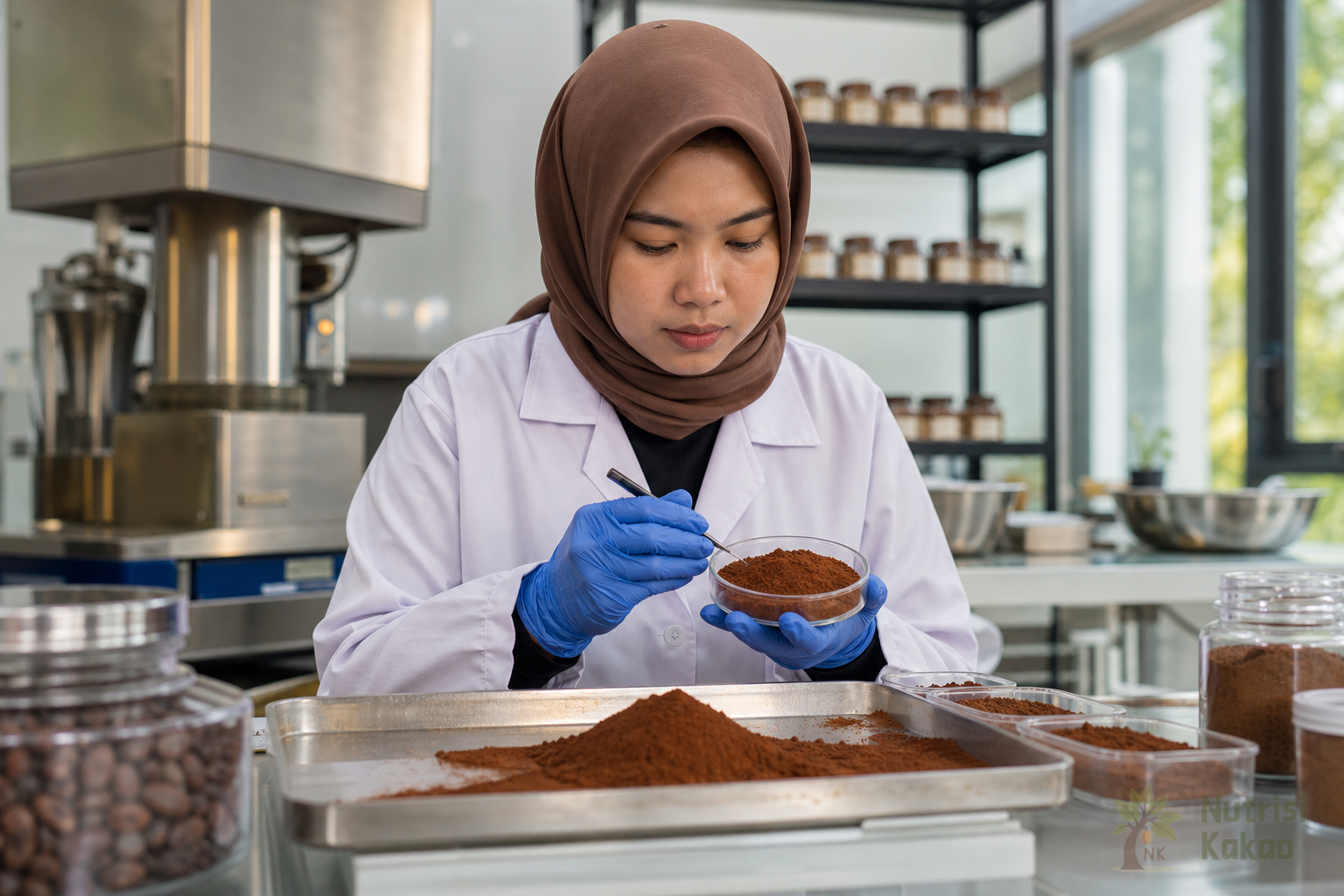
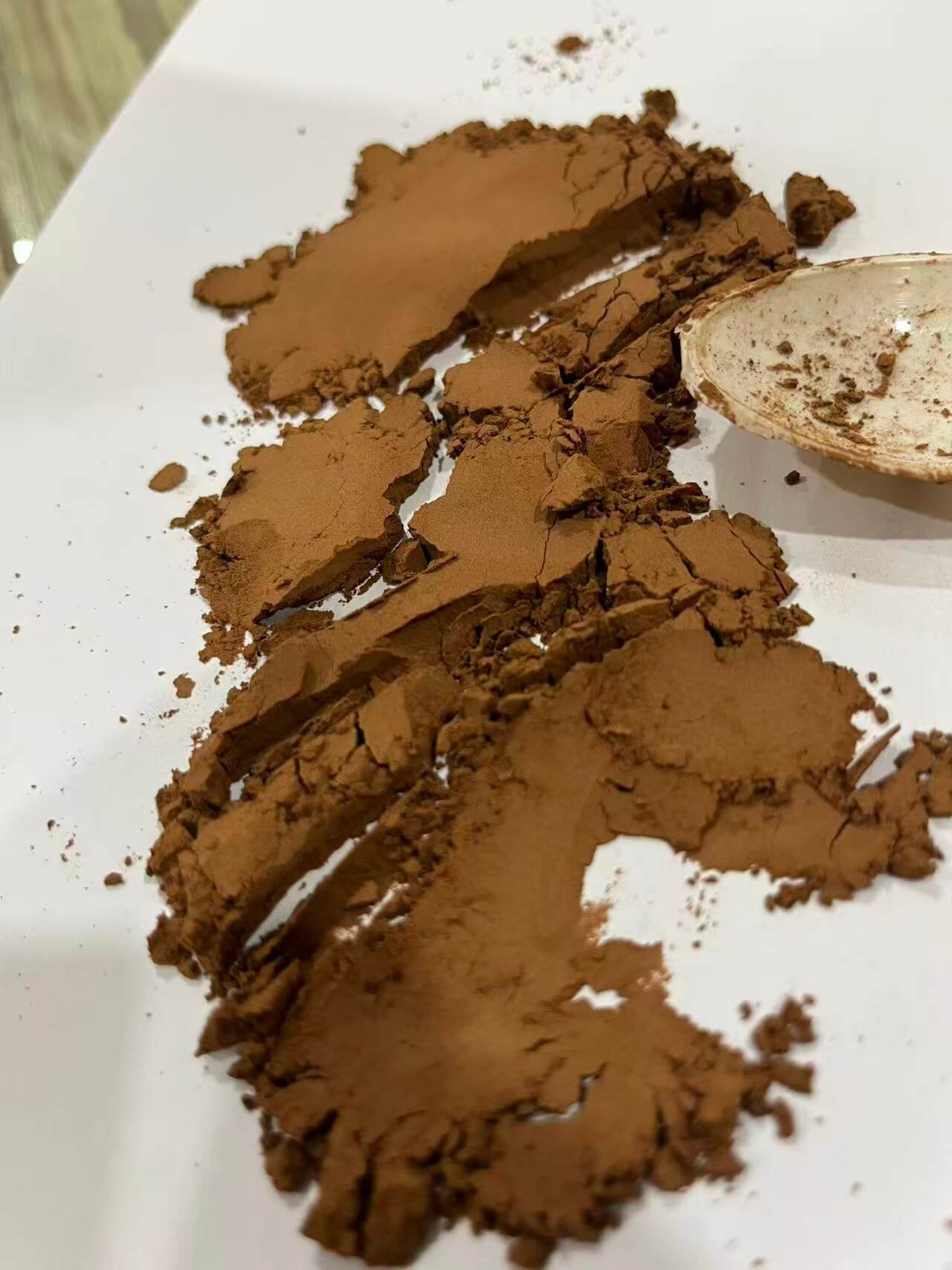
Do not use Natural Cocoa (pH 5.2-5.8) for RTD (Ready-to-Drink) plant beverages. The low pH can cause plant proteins (especially pea and soy) to denature and curdle. Always use highly alkalized cocoa powder (pH 7.2-8.0). The alkalization process disrupts the cellular structure, creating finer particles and increasing wettability.
Additionally, opt for Low Fat (10-12%) powder. Less cocoa butter means less risk of fat rings forming at the neck of the bottle, especially in low-protein milks like almond or rice.
2. Optimize Particle Size
In standard cocoa powder, 98% of particles are smaller than 75 microns. For premium plant-based beverages, you want ultra-fine grinding where 99.5% pass through a 200-mesh sieve. Finer particles stay in suspension much longer based on Stokes' Law.
3. Master the Hydrocolloid System
Because plant milks lack casein, you must introduce a suspension network.
- Carrageenan: Extremely effective, but facing consumer pushback in the "clean label" market.
- Gellan Gum: (Specifically high-acyl gellan gum). The preferred modern choice. It forms a fluid gel network at very low dosages (0.02 - 0.05%) that suspends cocoa particles perfectly without creating a slimy mouthfeel.
- Locust Bean Gum + Guar Gum: A synergetic blend that increases viscosity to slow down settling, though it doesn't provide true suspension like gellan.
4. The Homogenization Step
Adding cocoa powder requires high-shear mixing and two-stage homogenization (e.g., 200/50 bar) to ensure the hydrocolloid network fully hydrates and wraps around the cocoa particles, preventing agglomeration.
The Ultimate Oat Milk Cocoa Spec
If formulating chocolate oat milk, we recommend our NK-Alkalized Brown (pH 7.3-7.7, 10-12% Fat). The earthy, roasted notes of this specific alkalized powder perfectly mask the sometimes "cereal-like" off-notes of oat bases, creating a rounded, rich chocolate profile mimicking dairy.
Testing a new vegan beverage line? Contact our technical team for tailored samples designed specifically for plant-based suspensions.