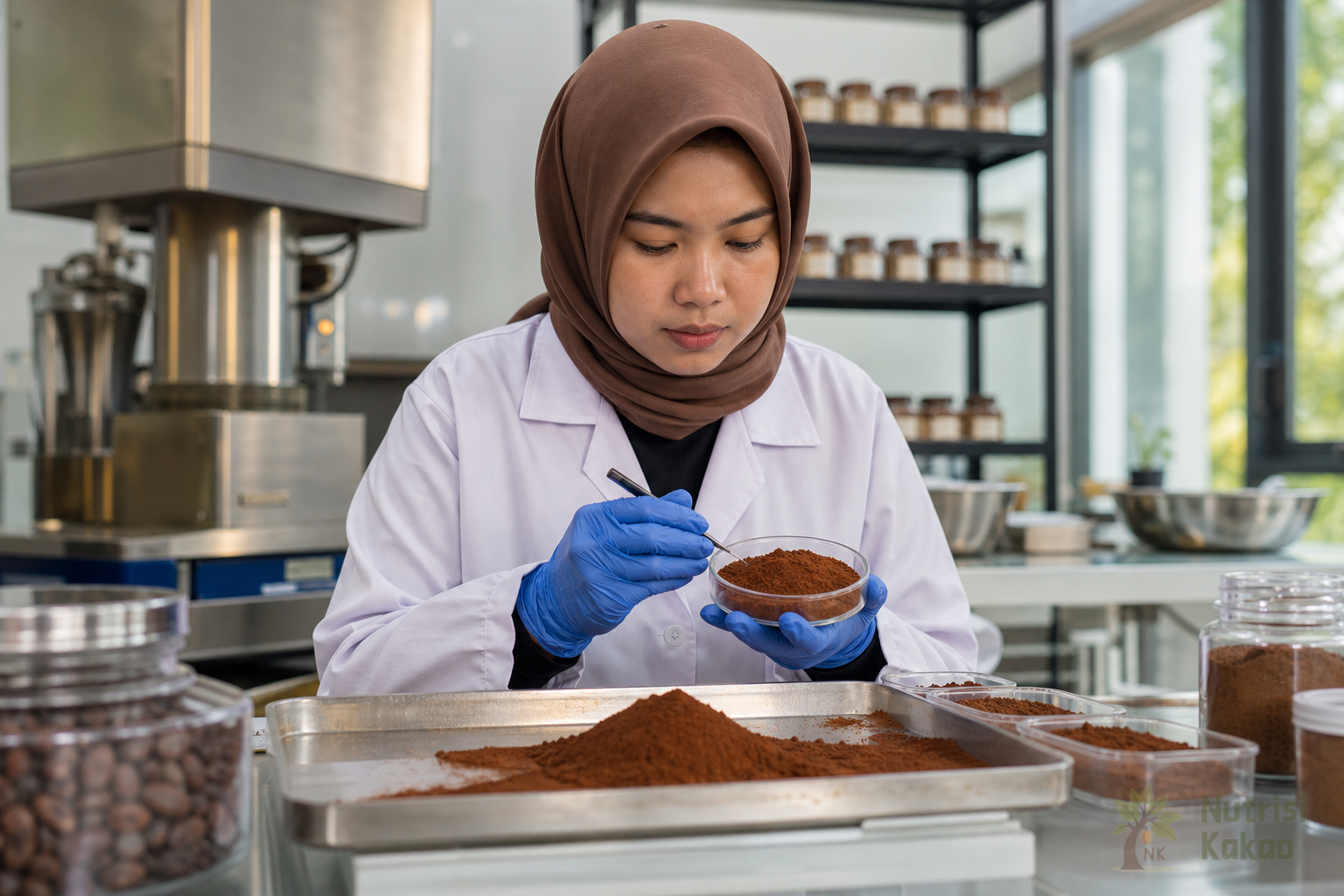
Alkalization, also known as "Dutching," is a crucial process in cocoa manufacturing that transforms natural acidic cocoa into a spectrum of colors and flavors. At PT Nutrisi Kakao, we view alkalization as an art form grounded in science.
What is Alkalization?
The process involves treating cocoa nibs with an alkaline solution (usually potassium carbonate) to raise the pH. Natural cocoa typically has a pH of 5.0-6.0. Through controlled alkalization, we can adjust this to anywhere between 6.0 and 8.5+.
The Color Spectrum
Adjusting the pH significantly impacts the final color of the cocoa powder:
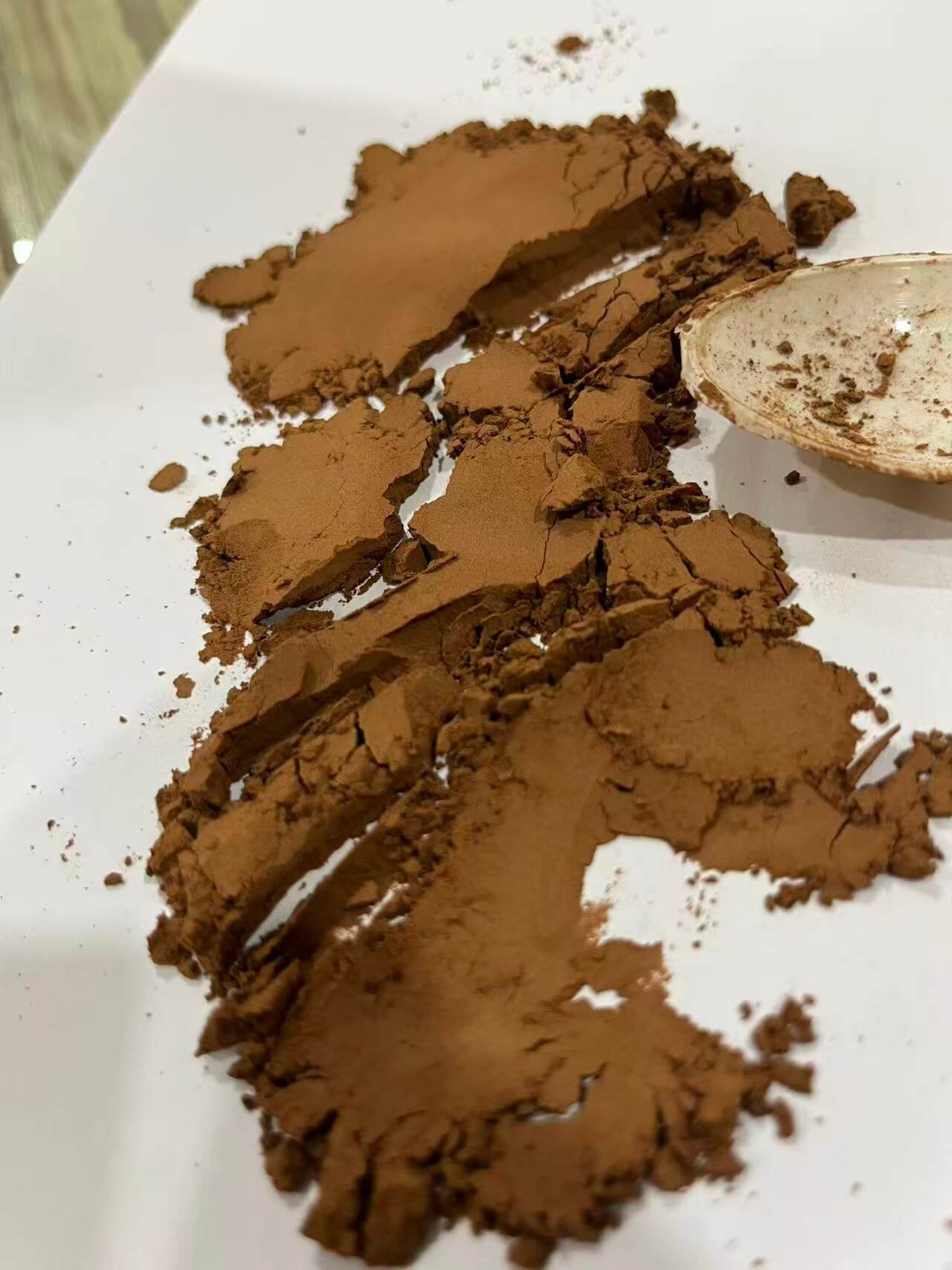
- Light/Medium Brown (pH 6.8-7.2): A versatile standard for chocolate milk and general baking.
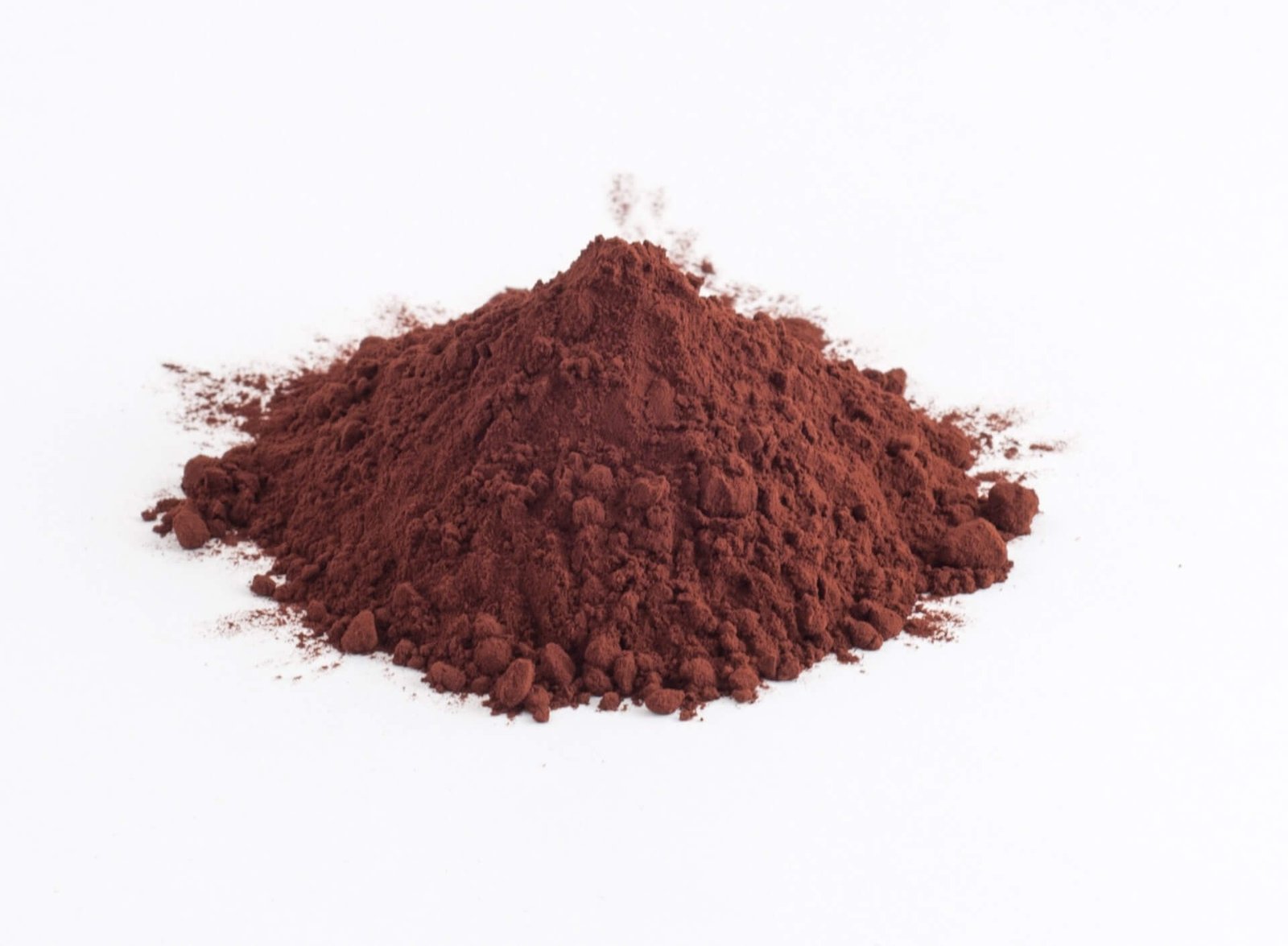
- Reddish Brown (pH 7.2-7.6): Offers a rich, warm hue desirable in cakes and high-end desserts.
- Dark/Black (pH 7.8-8.5+): Used for intense color in cookies and biscuits.
Flavor Modification
Beyond color, alkalization mellows the natural acidity and astringency of the cocoa bean. This results in a smoother, more "chocolatey" profile that blends well with other ingredients like milk and sugar. However, careful control is needed; over-alkalization can lead to a soapy taste.
Customization for Clients
Our facility is equipped to tailor the degree of alkalization to your specific needs. Whether you need a specific shade of red for a velvet cake or a robust brown for a beverage mix, our R&D team can develop a custom profile that matches your target application perfectly.